Training
Ring Support Holds: Build the Foundation First
Learn why a stable gymnastic rings support hold is the foundation for dips, muscle-ups, and ring skills — plus clear standards and weekly practice structure.
By RingsXPublished 2 min read
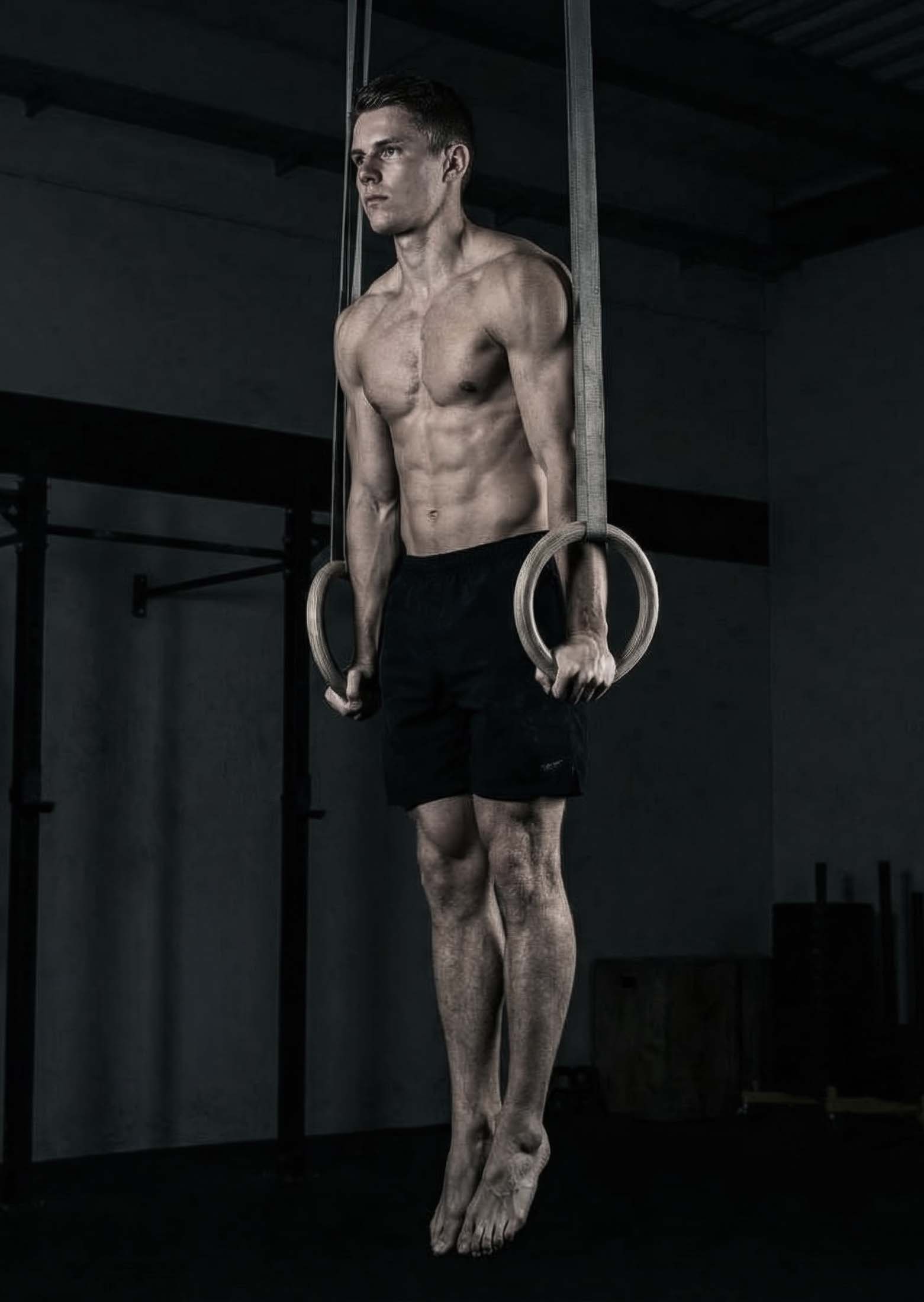
Stable support is not a side drill. It is the position almost every ring skill depends on.
Quick answer
A good gymnastic rings support hold keeps the arms locked, shoulders stable, body controlled, and rings relatively quiet. Build short, clean holds before chasing longer times or advanced skills.
If your support is shaky, every transition above it will feel harder than it needs to. If your support is quiet and strong, progressions become clearer and safer.
What a good support looks like
A solid ring support is more than “arms locked.” Look for:
- Rings turned out slightly, not collapsing inward
- Shoulders depressed and stable over the hands
- Body hollow or lightly hollow, without excessive sway
- Quiet rings — minimal swing
Hold quality matters more than hold length at the start. Ten clean seconds beat thirty messy ones.
A simple weekly structure
Use support as a short practice block, not an afterthought:
- Warm up wrists, shoulders, and scapulae
- Practice 3–5 support sets with strict form
- End when quality drops, not when the clock says so
If you train skills later in the session, keep support work early while you are fresh.
Progress without forcing it
When holds feel easy, progress by:
- Increasing time in clean form
- Reducing assistance (if you use bands or toes for balance)
- Adding controlled turns-out under fatigue
- Moving into support variations only after the basic hold is repeatable
Skip the urge to rush muscle-ups or advanced skills before support is boringly solid. Boring support is usually the fastest path.
Connect it to the rest of training
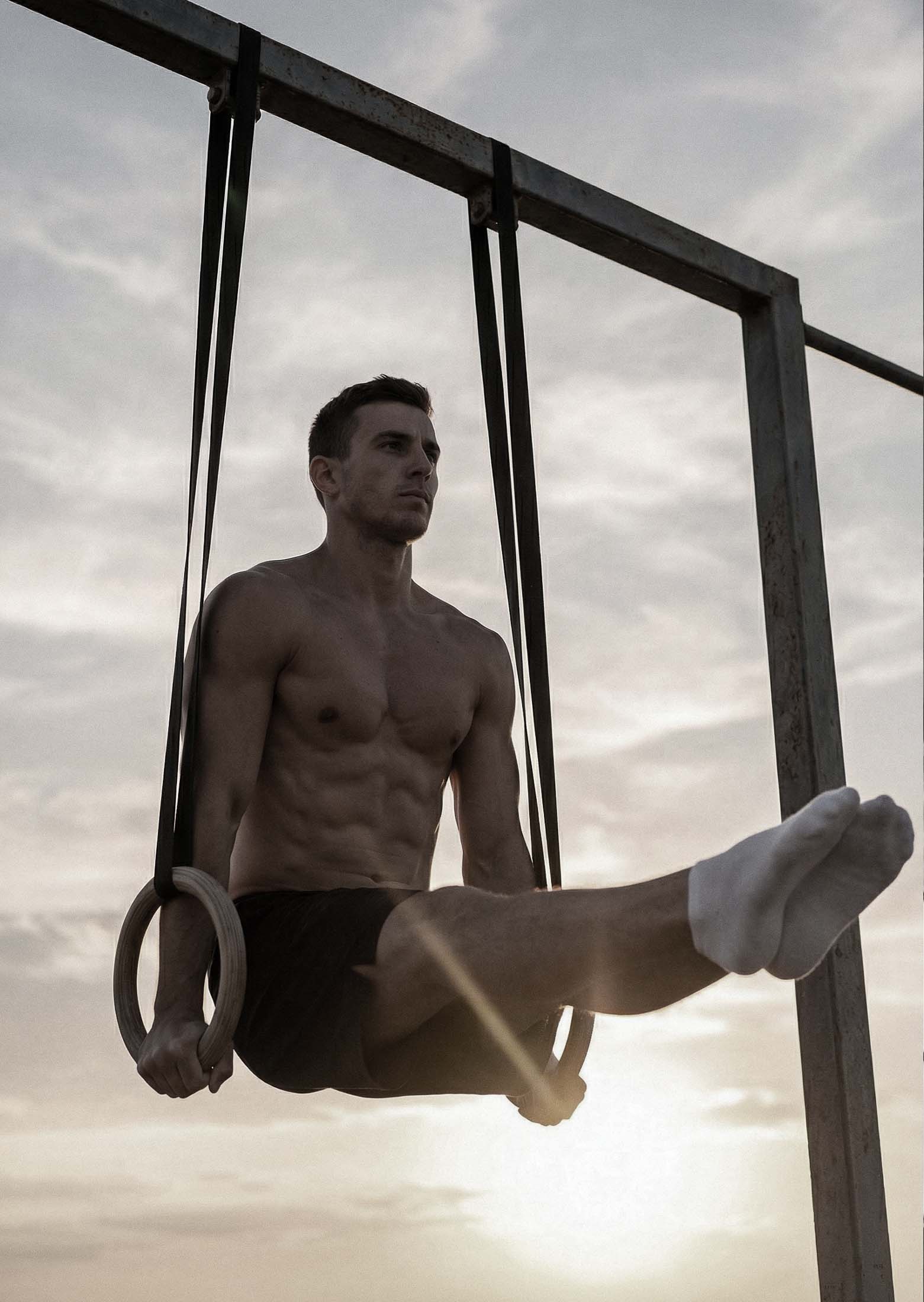
Support strength transfers into dips, muscle-ups, and L-sit work. Treat it as infrastructure: something you maintain consistently so everything built on top stays reliable. Practice support alongside other gymnastic ring exercises, or start from the beginner guide if you are new to the rings.
RINGSX
Start now in the RingsX App
Turn what you just learned into structured calisthenics rings training — progressions, workouts, and clear next steps.
Start nowRelated articles
- Beginner Guide to Gymnastic Rings TrainingStart calisthenics rings training with simple progressions, safe technique, and a practical beginner gymnastic rings workout structure.
- Ring Dips: Progressions, Form, and ProgrammingBuild stronger ring dips with clear progressions, technique cues, common mistake fixes, and programming for calisthenics rings pushing strength.