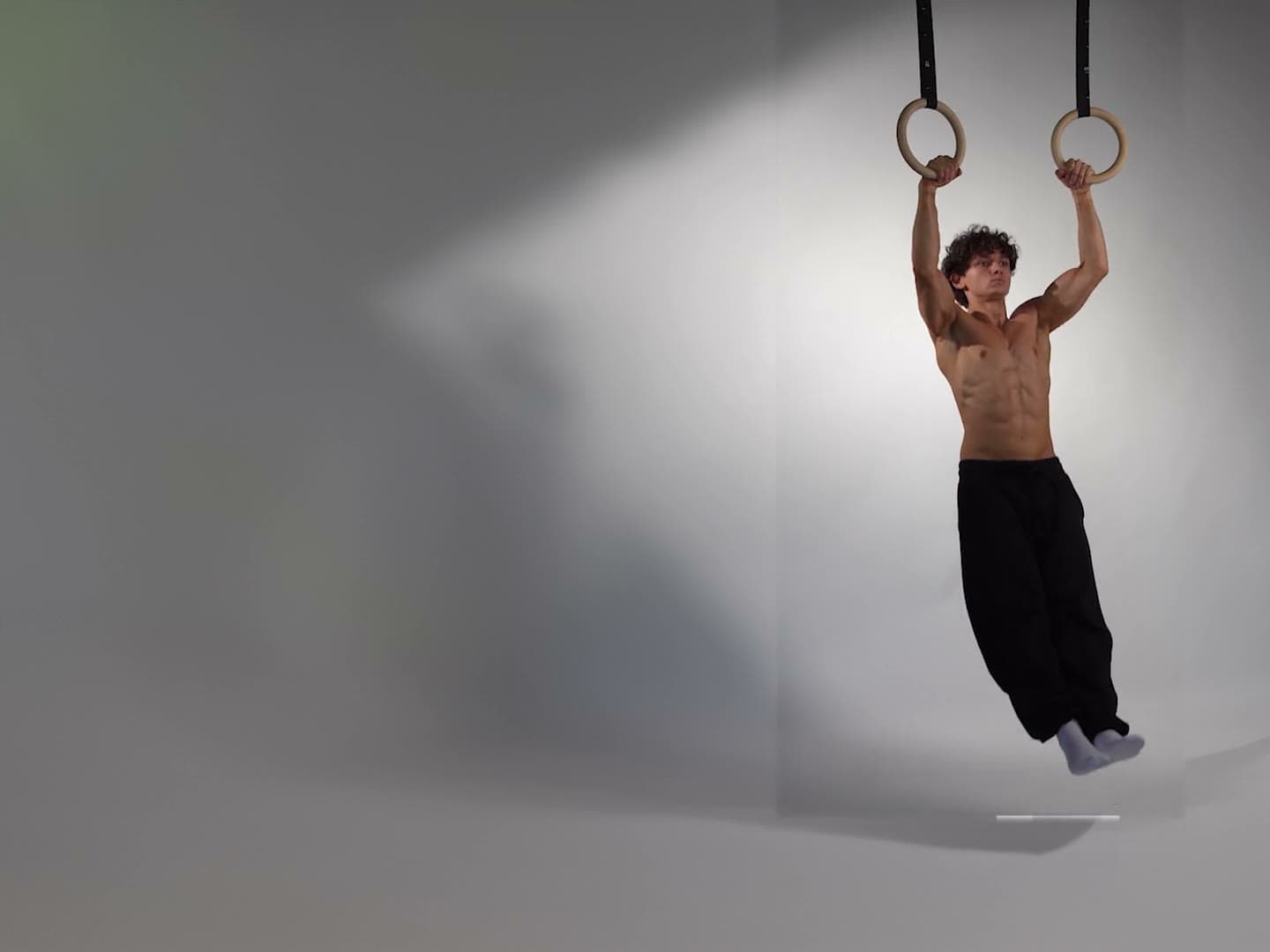
Gymnastic Ring Exercises
Explore over100 Ring Exercises

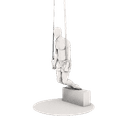
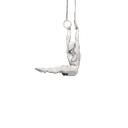

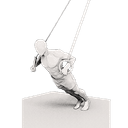
BUILT FORRING STRENGTH.
Gymnastic ring exercises are the foundation of calisthenics rings training. Because the rings move freely, every repetition trains strength, stability, grip, and body control at the same time.
RingsX organizes over 100 ring exercises into clear progressions so beginners can start with feet-assisted movements and advanced athletes can keep progressing without random workout selection.
Whether you want pulling strength, pushing power, support control, or core tension, ring exercises give you a complete upper-body and trunk training system with one piece of equipment.
WHAT YOUCAN TRAIN.
A complete gymnastic rings exercise library covers the movement patterns that matter for long-term calisthenics rings progress.
- 01
Pulling
Ring rows, pull-ups, assisted variations, and false-grip pulling develop back, biceps, and scapular strength for hang and transition work.
- 02
Pushing
Incline push-ups, ring push-ups, dips, and support-based presses build chest, triceps, and shoulder stability under ring instability.
- 03
Support & holds
Support holds, L-sit progressions, and locked-arm positions teach the quiet control that almost every advanced ring skill depends on.
- 04
Core & control
Fallouts, hanging raises, hollow positions, and anti-extension work connect the rings to trunk tension so your body stays organized under load.
SCALE EVERYMOVEMENT.
The best gymnastic ring exercises are adjustable. RingsX helps you change difficulty without changing equipment.
01
Ring height
Higher rings usually make push-ups easier. Lower rings demand more strength and control.
02
Body angle
A more upright row is easier. Walking your feet forward increases the load for calisthenics rings pulling.
03
Range of motion
Shorten the range while you learn control, then expand depth only when position stays stable.
04
Tempo & volume
Slow eccentrics, pauses, and clean sets beat rushed failure. Progress one variable at a time.
WHY RINGEXERCISES WIN.
Fixed bars and machines guide the path for you. Gymnastic rings do not. That instability is useful when the exercise difficulty matches your current strength.
For beginners, feet-supported ring exercises teach joint packing, grip, and trunk tension safely. For advanced athletes, the same library becomes a progression ladder into deeper dips, harder pulls, and skill-specific strength.
This is why calisthenics rings training works so well: one exercise family can grow with you for years if the progressions stay clear.
EXERCISEQUESTIONS.
Which gymnastic ring exercises should beginners start with?
Start with ring rows, assisted ring push-ups, feet-assisted support holds, and short core drills like ring fallouts. Keep your feet on the floor until you can control the rings cleanly.
Can gymnastic ring exercises build muscle?
Yes. Progressive ring exercises can train chest, back, shoulders, arms, and core. Increase difficulty through body angle, range, tempo, or a harder variation while keeping technique stable.
Are ring exercises enough without weights?
For many athletes, yes. Gymnastic rings provide scalable resistance through leverage and instability. You can later add weighted progressions if your goals require them.
How many ring exercises should I do in one workout?
Most effective calisthenics rings sessions use a focused set of movements: one or two pulls, one or two pushes, a support or skill hold, and optional core work. Quality beats collecting random exercises.
How does RingsX organize ring exercises?
RingsX groups gymnastic ring exercises by pattern and progression so you can choose the right variation for your level and move into the next step when your form stays consistent.
TRAIN THERIGHT EXERCISE.
Open RingsX to follow structured gymnastic ring exercises, progressions, and calisthenics rings workouts built around your level.

